
Generative and Experimental Perspectives for Biomolecular Design
Workshop at the 12th International Conference on Learning Representations
May 11, 2024, Vienna, Austria
About
Biomolecular design, through artificial engineering of proteins, molecules, and nucleic acids, holds immense promise in addressing pressing medical, industrial, and environmental challenges. While generative machine learning has shown significant potential in this area, a palpable disconnect exists with experimental biology: many ML research efforts prioritize static benchmark performance, potentially sidelining impactful real-world applications.
The Generative and Experimental perspectives in bioMolecular design (GEM) workshop seeks to bridge this gap by bringing computationalists and experimentalists together. Together, we will explore the strengths and challenges of generative ML in biology, experimental integration of generative ML, and pinpoint biological problems ready for ML.
GEM is collaborating with Cell Systems to allow exceptional submissions to be considered for fast-tracking in their journal. GEM features an in-silico generative machine learning track as well as an experimental track for papers that have wet lab results.
Our lineup features renowned scientists as speakers and emerging leaders as panelists, encapsulating a spectrum from high-throughput experimentation and computational biology to generative ML. With a diverse organizing team and backed by industry sponsors, we dedicate the workshop to pushing the boundaries of ML's role in biology.
GEM is an in-person workshop on May 11th, in Vienna, Austria, at ICLR’24.
Join our mailing list today to stay updated.
Logistics
Date and Location:
Our workshop will be held on May 11th 2024 at Halle A 2 in the Messe Wien Exhibition Congress Center.
Posters:
We have two poster sessions — one in the morning and another in the afternoon. Session assignments for each poster can be found here. Please put your posters up in the morning before the workshop and take them down when you leave. You are only expected to be by your poster during your assigned poster session, but we encourage one of your co-authors to always be present to maximize engagement. The poster assignment will soon be advertised on our website for attendees. Poster dimensions can be found here.
Schedule:
The schedule can be found on the ICLR workshop page. There may be changes to the speakers. Thanks to our sponsors, we will provide lunch catering with a set amount of lunchboxes. We also have an after party that everyone is welcome to attend. Details will be announced at the workshop.
Openreview:
All accepted submissions have now been made public and viewable. Reviews and discussions are not public. https://openreview.net/group?id=ICLR.cc/2024/Workshop/GEM
Call For Papers
GEM has two tracks: a machine learning track, and a biology track.
These topics include but are not limited to the following:
ML track
Generative ML advancements for biomolecular design with in silico results.
Inverse design of all biomolecules
Modeling biomolecular data
In silico benchmarks and oracles
Biology track
Biological problems and data ripe for generative ML and/or employment of ML for biomolecular design with wet lab experimental results.
Biological problems apt for ML applications
High-throughput data generation methods
Adaptive experimental design
In silico benchmarks and oracles
We are partnering with Cell Systems from Cell Press. Authors can opt to have their submissions considered for fast-tracking to Cell Systems. See below for more details.
Call for Submissions:
GEM workshop welcomes submissions in two formats:
Short papers: Both ML and Biology tracks. Up to 5 pages (excluding references & appendix).
Extended abstracts: Biology track only. Up to 2 pages, similar to standard biological conferences.
Papers and extended abstract should present novel work that has not been previously accepted at an archival venue at the time of submission.
The submissions, including extended abstracts, need to be anonymized and will be subjected to one round of double blind peer-review.
Short paper submissions must be formatted using the ICLR 2024 main conference template, replacing the style file with the GEM version. Short paper submissions that violate the GEM style may be rejected without further review. We recommend extended abstract submissions to be formatted using either the extended abstract template, or the LaTeX template above. The maximum file size for submissions is 50MB. Fast-track opportunity:
GEM will nominate accepted papers to be considered for expedited peer review at Cell Systems. In addition to the GEM reviewers, the Editors of Cell Systems, as well as potentially 1-2 additional reviewers will be actively engaged in the expedited review of any accepted papers being considered for publication in Cell Systems.
Presentation and Publication:
Accepted papers will be invited to present a poster at the workshop, and the organizers will nominate spotlight talks based on reviewer comments. This workshop is non-archival and does not publish proceedings except for any papers accepted at Cell Systems; however authors of accepted papers will have the option to make their work available through the workshop website.
We encourage submissions of:
Novel research concurrently in submission.
Encouraging work-in-progress results seeking feedback.
Forward-looking position papers sparking community discussion.
Submissions will be made through OpenReview.
The workshop will provide travel grants for authors who are from underrepresented groups and/or who need financial assistance. We will release a form so you may sign up.
Important Dates
Submission Deadline: 7th 3rd February 2024 11:59 PM (UTC-0)
* Paper submission deadline extended
Notification of Acceptance: 3rd March 2024
Camera-Ready Deadline: 15th April 2024 11:59 PM (AoE)
Workshop Date & Location: May 11th, 2024. Vienna, Austria
Invited Speakers & Panelists

Mohammed AlQuarishi
Columbia University
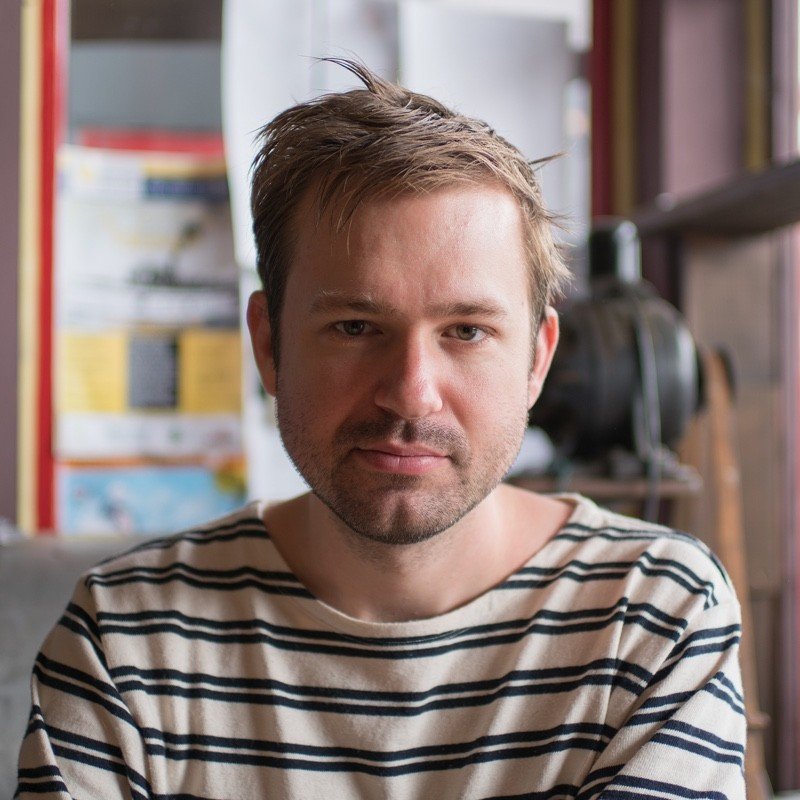

Debora Marks
Harvard Medical School


Lucy Colwell
Cambridge University, Google
Bruno Correia
EPFL
Alex Rives
MIT, EvolutionaryScale


Noelia Ferruz
Institute of Molecular Biology of Barcelona
Amirali Aghazadeh
GeorgiaTech
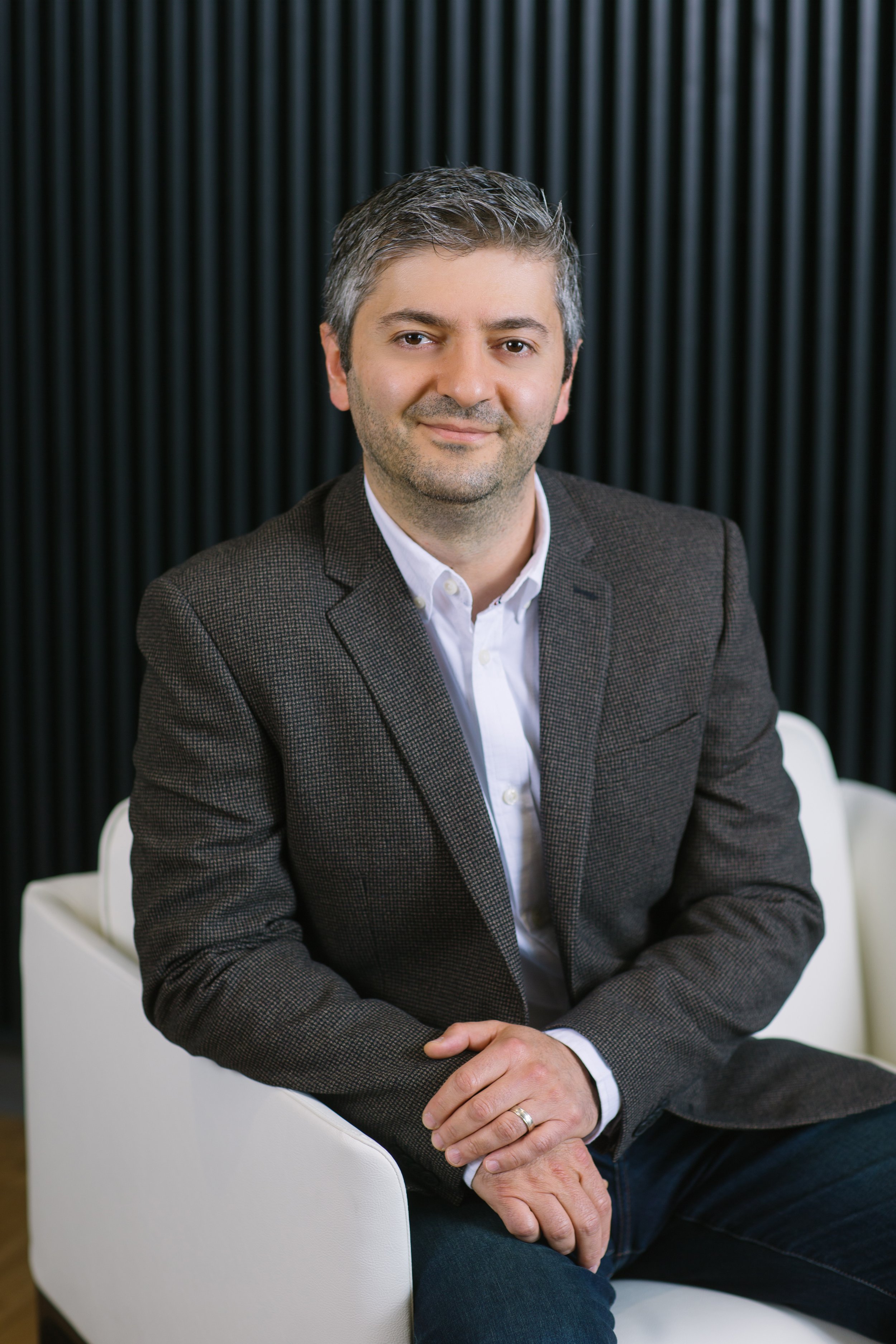

Rohit Singh
Duke University
Gevorg Grigoryan
Generate Biomedicines
Workshop Organizers
Students

Mila, McGill University, Dreamfold

Mila, Université de Montréal, Dreamfold

MIT

MIT

University of Washington
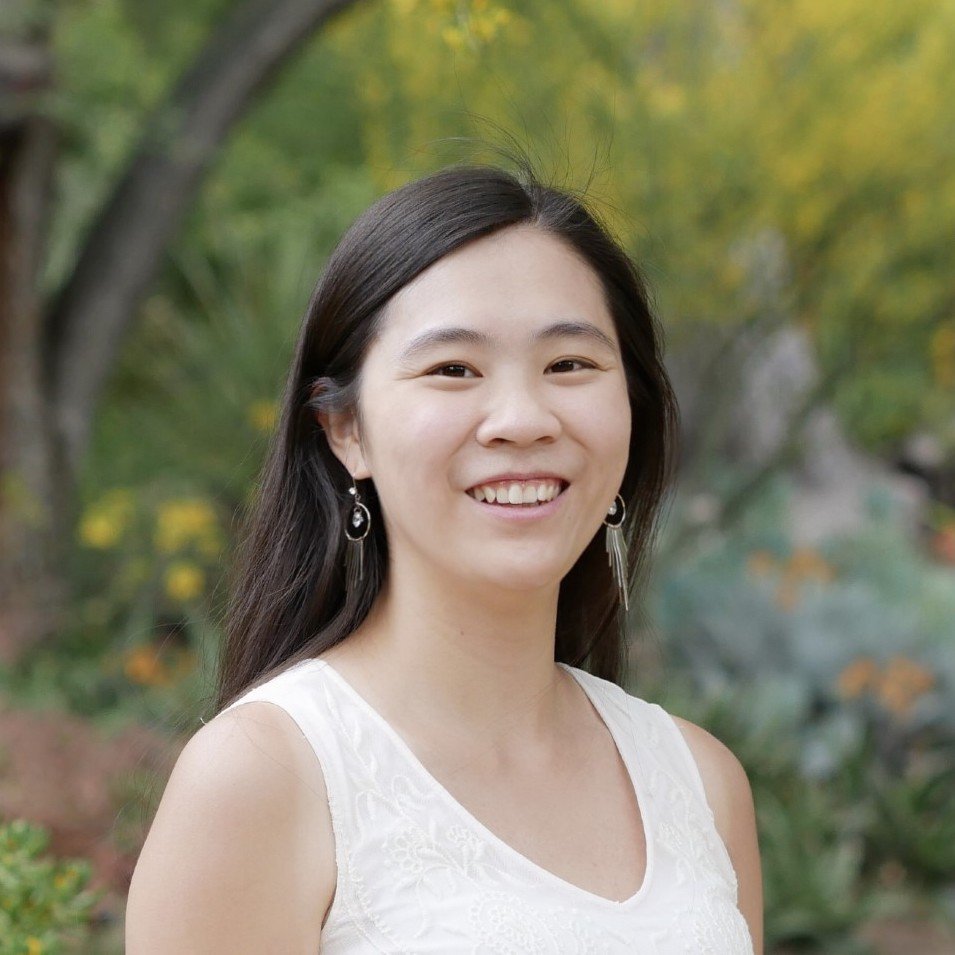
Caltech
Faculty

Duke University

MIT

MIT

University of Washington

Caltech

Mila, Université de Montréal


FAQs
We will continue to update this list as we work further details. Please also check the ICLR homepage and ICLR FAQ for general question such as registration and traveling. For any questions not covered in the FAQ, feel free to email us at gembioworkshop@googlegroups.com.
-
Cell Systems provides a home at Cell Press for elegant work that addresses fundamental questions in systems biology or develops incisive approaches and methods toward this aim. The journal seeks to serve as a shared platform and a bridge between experimentalists and computational scientists. The editors believe that taking an integrative approach to developing and applying computational and experimental methods will prove imperative for addressing the most pressing questions in biology.
Given the alignment of the aims of GEM and those of the journal, GEM has patterned with Cell Systems. Authors submitting to GEM who are interested in their work being considered for fast-tracking to Cell Systems should select this option in OpenReview. Following GEM's acceptance notifications, authors of any papers selected for fast-tracking will be invited to revise and submit their manuscript to Cell Systems by a specified deadline. In addition to the GEM reviewers, the Editors of Cell Systems, as well as potentially 1-2 additional reviewers will be actively engaged in the expedited review of any accepted papers being considered for publication in Cell Systems.
-
GEM will provide a live streamed zoom option for virtual attendees to watch the invited and contributed talks as well as panel discussion. However, the poster session will be held in-person only.
-
Extended abstracts submissions are restricted to the biology track. These abstracts should be submitted through OpenReview as well. If the full paper is available on arXiv (incl. BioRxiv, ChemRxiv, etc.) by the time of acceptance, the submission can also be considered for oral presentation and/or fast-tracking to Cell Systems.
-
No. Any paper related to biomolecular design is encouraged to submit!
-
The GEM workshop itself does not publish formal proceedings containing all accepted submissions. This way, authors retain the freedom to submit their work elsewhere for archival publication without facing exclusivity restrictions. Authors of all accepted submissions can choose to share their work independently through the workshop website if they wish.
-
Code and datset submission is highly encouraged but not mandatory.
-
According to GEM’s commitment to DEI we have partnered with sponsors to provide travel grants for underrepresented students in the field. Priority will be given to authors of accepted papers, but other students may also be considered. The form for application can be found here. The deadline is April 5th, 2024 (11:59, anytime on Earth).
We also encourage workshop participants to apply for any other grants for which they may be eligible. If you are aware of additional funding opportunities that may be relevant to workshop attendees, please contact the workshop organizers so we can make this information available.